
What GitBook Is and Does
Think of a well-organized cookbook. The recipes are written by many people, but a clear table of contents and tidy pages make it easy for anyone to find and follow them. GitBook plays that role for written knowledge: it is a platform for creating and publishing documentation, which means guides, manuals, and help pages that explain how something works.
A knowledge base is simply a collection of such pages that a team or the public can search and browse. In GitBook, pages are grouped into spaces and arranged in a sidebar, so readers see a structured, readable site rather than a pile of loose files. People can write and edit in a browser, much like a shared document.
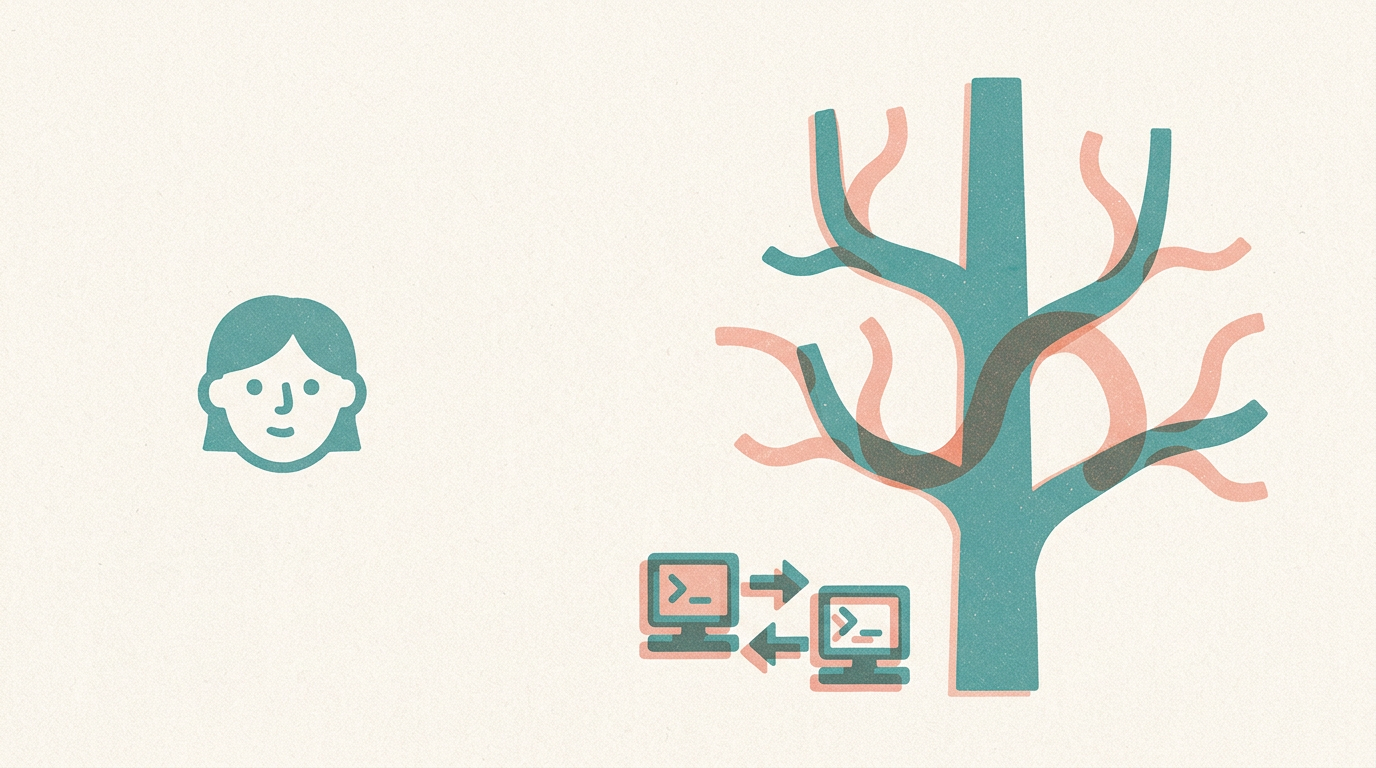
This is where Git comes in. A Git repository is a project folder whose full history of changes is tracked, and it is often stored on a hosting service such as GitHub. GitBook can sync with a repository, meaning the two stay connected so that text files kept there, commonly written in Markdown, appear as published pages, and edits can flow in either direction.
Imagine a software team keeping its setup guide next to its code. Developers update the guide in the repository, and GitBook turns it into a clean website that customers can read, while less technical teammates can edit in the browser.
Syncing is optional and has limits. You can use GitBook on its own without any repository, and it only syncs the content you connect, not an entire codebase.
So GitBook is a documentation and knowledge-base platform that turns pages into a structured, readable site. When connected to a Git repository, it keeps that site in step with files tracked there. Let's remember it as the tidy published cookbook, with Git as the optional way of keeping the recipes in sync.
