
Git Hosting Platforms: The Big Picture
Think of a notebook where you jot down every change to a recipe, with dated pages you can flip back through. That is the heart of Git: a free tool that runs on your own computer and keeps a full history of changes to a folder of files. It works entirely on its own, with no internet and no account needed.
Now imagine you and three friends want to work on the same recipe collection. Each of you has your own notebook, so how do you share pages and stay in sync? Git can exchange changes between copies, but it does not give you a shared meeting place.
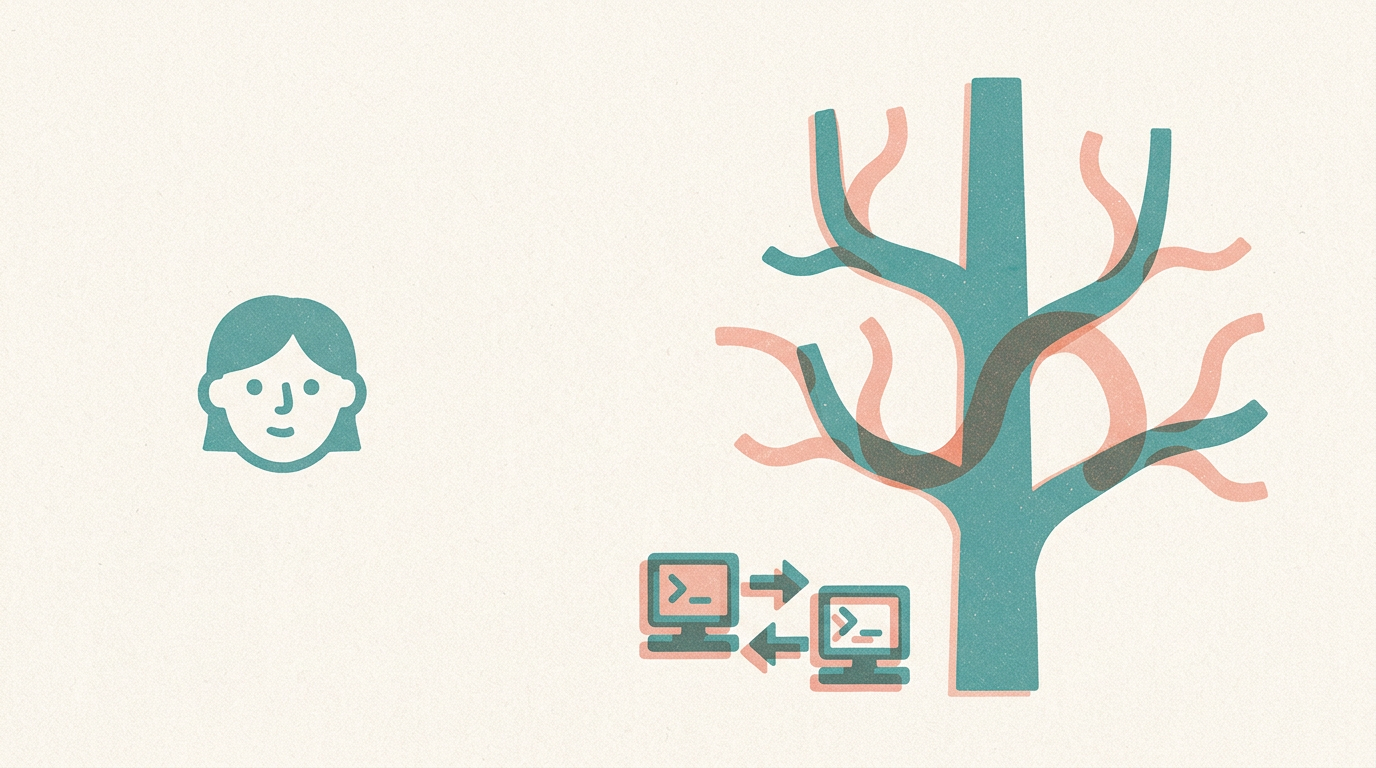
That meeting place is what a Git hosting platform provides. It is a website and service that stores a shared copy of your project, called a repository (the project folder plus its full history), so everyone can send changes to it and fetch changes from it. GitLab is a well-known example, and GitHub is another.
These platforms add things Git itself does not include, such as user accounts, permissions about who may change what, and pages for discussing and reviewing a proposed change before it is accepted. Think of Git as the notebook and the platform as the shared kitchen where everyone meets.
A common mix-up is thinking Git and GitLab are the same thing, or that you need a platform to use Git. In truth, Git works fine alone; a platform is an optional extra for collaboration and backup. Tools such as GitBook are also separate products that build on this idea, for example by turning written documents stored in a repository into a readable documentation website.
So Git records the history, and hosting platforms give that history a shared home with people and rules around it. Each layer does a different job, which is why they exist separately. Once that picture feels natural, the details will fall into place.
