A Portfolio That Gets You Hired Without Experience

A learner invited you

4 lessons · Beginner

Early-stage product — exploratory, no guaranteed results.

About this study

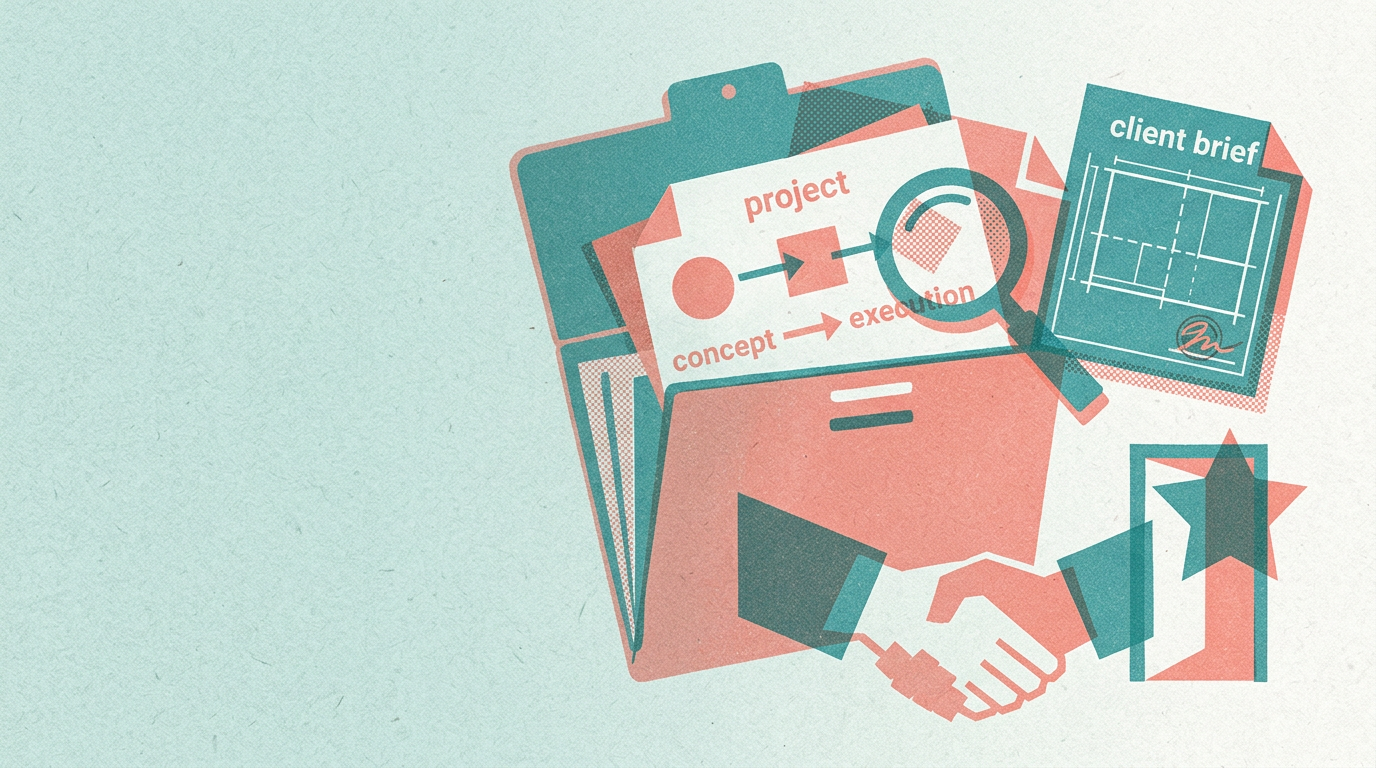
“A Portfolio That Gets You Hired Without Experience” is a free, 4-lesson study on Building a portfolio that gets you hired when you have no professional experience: choosing job-like projects, inventing a client brief, documenting your thinking, and presenting self-directed work honestly at Beginner, created with soclever, a personal AI teacher. Each lesson takes a few minutes and ends with a check-in question; finish the curriculum and you can take a certificate test to earn a diploma. Starting is free once you sign in — or generate your own study on any topic.

What you'll learn

  1. Why a Portfolio Beats a Resume, and What It Can Honestly Do for You. A resume asks to be believed. A portfolio can be checked. When you have no job history, that difference decides whether anyone takes your claims seriously. Hiring runs on…
  2. Choose Projects That Look Like the Job, and Cut Them Small Enough to Finish. Read three or four real job postings in the field you are targeting and write down the tasks that repeat across all of them. Those repeated tasks tell you which artifact to build.…
  3. Document the Thinking, Not Just the Artifact. Hiring managers read a portfolio for judgement, not output. Anyone can produce a finished-looking thing; what a stranger cannot infer from the artifact alone is how you decided.…
  4. The Honesty Rule: Presenting Self-Directed Work Without Overstating It. Never present unpaid or self-initiated work as paid client work, and never use a real company's brand without saying plainly that the work was unsolicited. That rule protects…

Questions this study answers

  • What can a portfolio prove to a hiring manager that a resume cannot, and what does it still leave outside your control?
  • How do you decide which project to build, and what test tells you it has been cut small enough to actually finish?
  • Why does the write-up around a project carry more weight with a hiring manager than the finished artifact itself?
  • What label does a self-directed or unsolicited project need, and what does an inflated claim about provenance cost you once it surfaces in an interview?

More studies to explore

Or browse all public studies.