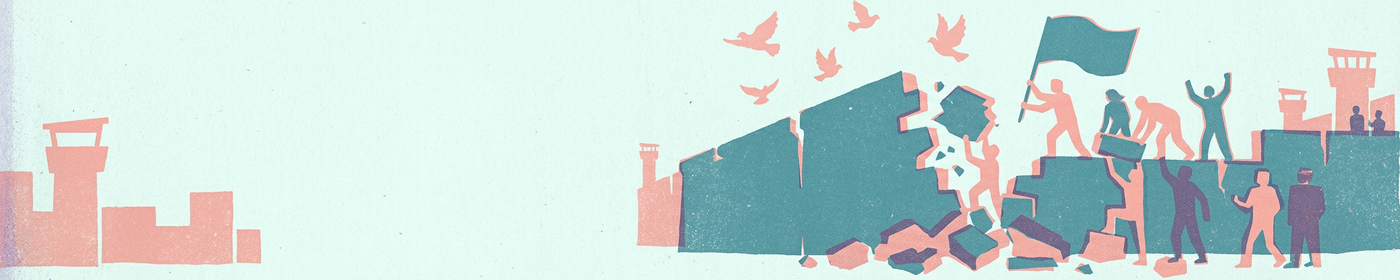
why did the berlin wall fall — study cover art
A learnerinvited you
Back to home
why did the berlin wall fall study icon

Why Did the Berlin Wall Fall

You'll know more than 62% on this topic
Lesson breakdown
  1. You'll understand how World War II's end led the Soviet Union and Western Allies to split Berlin into occupation zones, setting the stage for decades of tension.

  2. You'll see how East Germany's economic crisis and mass emigration forced the Soviet bloc to build the Berlin Wall in 1961 as a desperate barrier to stop people fleeing west.

  3. You'll trace how Cold War tensions, nuclear standoff, and competing ideologies kept the Wall in place through the 1960s–1980s despite its human cost.

  4. You'll learn how Soviet reform, Eastern European revolutions, and mass pressure from ordinary Berliners overwhelmed the regime and brought the Wall down in 1989.

About this study

Why Did the Berlin Wall Fall” is a free, 4-lesson study on why did the berlin wall fall at novice level, created with soclever, a personal AI teacher. Each lesson takes a few minutes and ends with a check-in question; finish the curriculum and you can take a certificate test to earn a diploma. Starting is free and needs no account — or generate your own study on any topic.

What you'll learn

  1. Why Berlin Was Divided. In May 1945, when Nazi Germany surrendered, Berlin lay in ruins. The Soviet Army had fought from the east; the Americans and British from the west. Both sides had lost hundreds of…
  2. Why the Wall Went Up. By 1961, East Germany was bleeding people. Families packed suitcases and walked across the border into West Berlin, then flew out to freedom in the West. Factory workers.…
  3. Why the Wall Stood for 28 Years. Most people think the Berlin Wall fell because it was unpopular or because the people behind it suddenly changed their minds. That's wrong. The Wall stood for nearly three decades…
  4. Why the Wall Finally Fell. By 1989, two contradictory forces were colliding in Berlin and across Eastern Europe. On one side: the Soviet Union under Mikhail Gorbachev had begun loosening its grip. Gorbachev…

Questions this study answers

More studies to explore

Or browse all public studies.