Lesson 1 of 4
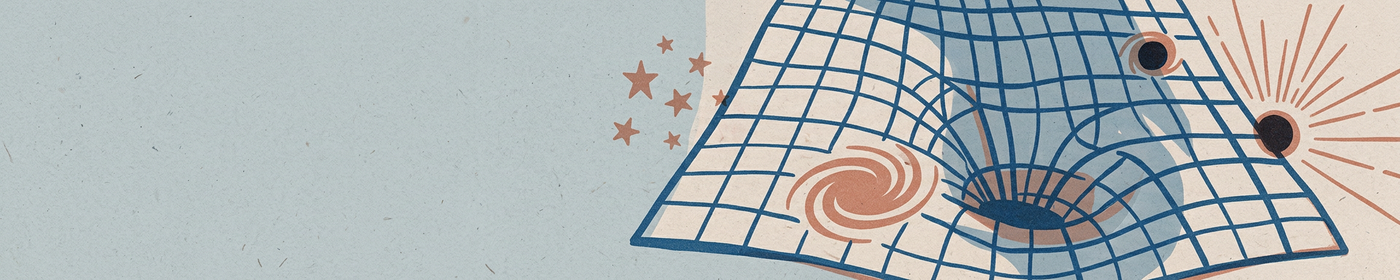

Spacetime in A tour of cosmology: the Big Bang, stars, galaxies, and black holes
@jay invited you
4 lessons · PhD

@jay invited you
4 lessons · PhD
“Spacetime in A tour of cosmology: the Big Bang, stars, galaxies, and black holes” is a free, 4-lesson study at phd, created with soclever, a personal AI teacher. Each lesson takes a few minutes and ends with a check-in question; finish the curriculum and you can take a certificate test to earn a diploma. Starting is free once you sign in — or generate your own study on any topic. Shared by @jay.