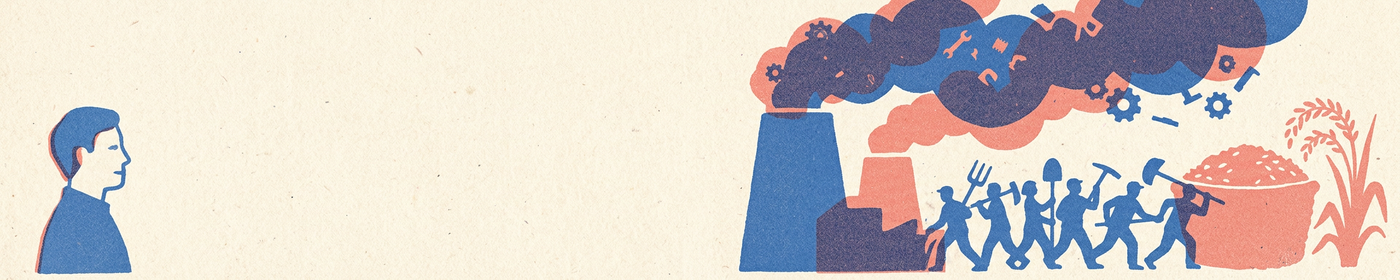
About this study
“Great Leap Forward” is a free, 6-lesson study at novice, created with soclever, a personal AI teacher. Each lesson takes a few minutes and ends with a check-in question; finish the curriculum and you can take a certificate test to earn a diploma. Starting is free once you sign in — or generate your own study on any topic.
What you'll learn
- What Was the Great Leap Forward?. Imagine you're running a small farm, and one day you decide you want to become a factory owner instead—not gradually, but overnight, by moving everyone to the factory floor at…
- Communes and Agricultural Collectivization. Let's think about what happens when a government decides to reorganize how people work and live. Imagine a village where families have always farmed their own small plots of land,…
Questions this study answers
- In your own words, what was Mao trying to accomplish with the Great Leap Forward, and how did he plan to do it?
- Why did prioritizing steel production over farming create such a serious food shortage in the communes?
More studies to explore
- Great Leap Forward Explained — 4 lessons (novice).
- Claude code loops — 6 lessons (novice).
- How JavaScript works — 4 lessons (novice).
- The Night Manager — 4 lessons (novice).
Or browse all public studies.